
September 2, 2026

Sometimes a career shift starts with a simple question: “Do you have a certificate?”
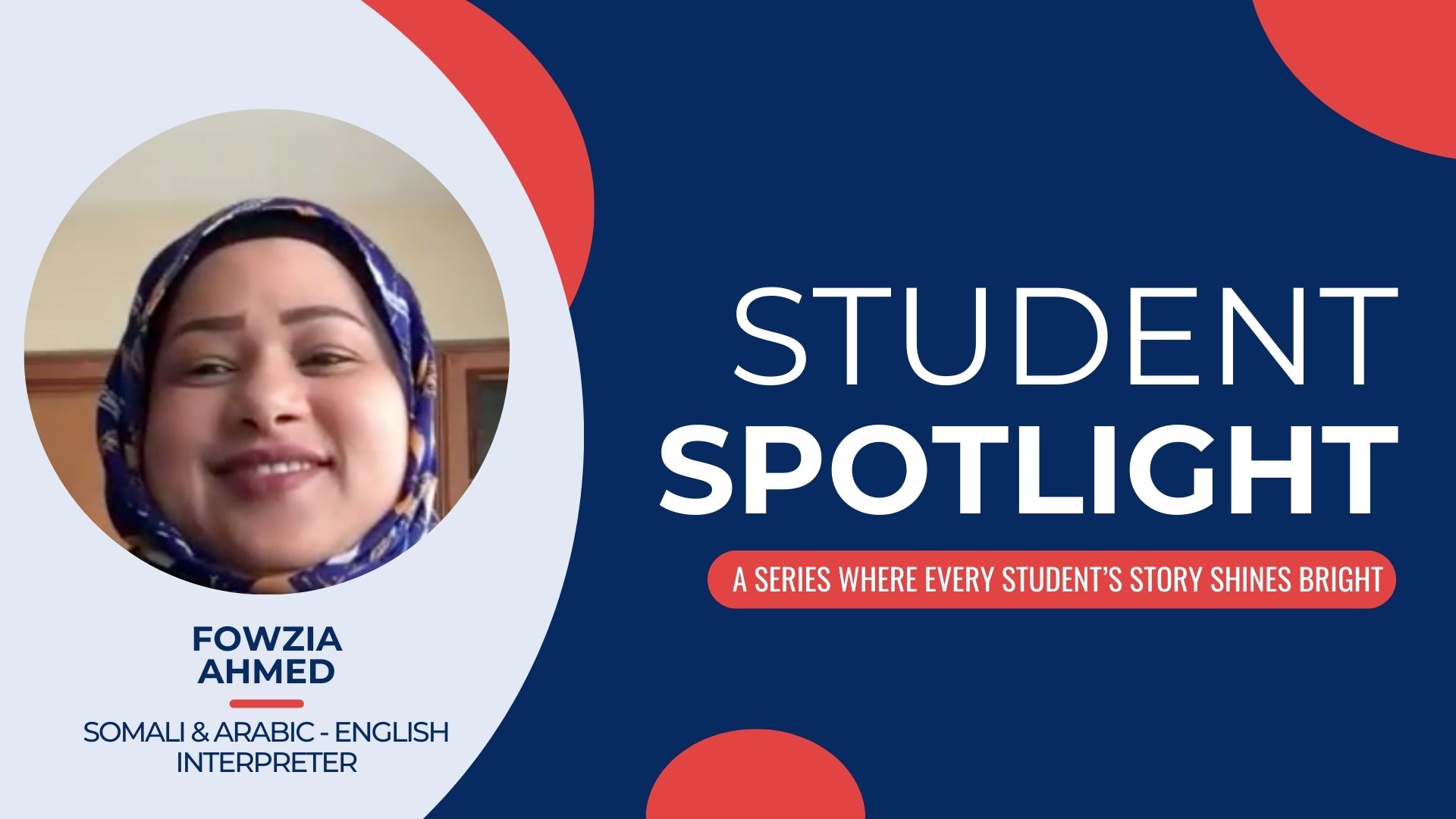
That question landed in Fowzia Ahmed’s lap through a neighbor who wanted her to interpret in a medical setting. Fowzia already had real-world interpreting experience through Fairfax County Public Schools (she supports families as a preschool teacher and also interprets in Somali and Arabic) but she realized quickly that stepping into healthcare requires more than being bilingual. It requires training, standards, and proof of qualification.
"Do I need a certificate for that?"
Fowzia’s answer turned into action: she found the Academy of Interpretation, enrolled in our Bridging the Gap: 40-hour medical interpreter training, and finished with a clear goal in mind: to keep learning, keep growing, and serve her community with confidence.
Fowzia’s language combination is powerful and also uniquely complex. Somali is written left-to-right like English, while Arabic is written right-to-left. The cognitive flexibility that comes with navigating both is exactly why multilingual professionals can thrive in interpreting: you’re already used to switching systems, not just words.
"Arabic… we write it from the right to left… Somali… left to right… and it’s totally different."
Fowzia works in education and language access, two worlds that overlap more than people realize. She supports Fairfax County as a preschool teacher and interprets for families in different school settings. That work is deeply meaningful because it’s often where language barriers show up first: enrollment, evaluations, special education meetings, and daily communication that helps children succeed.
Fowzia completed medical interpreter training because she wanted to be ready when medical opportunities came up and because she learned (the way many bilinguals do) that professional settings often require credentials.
She describes it as a chain reaction: a neighbor asked, she hesitated because she didn’t have proof of training, and then she noticed interpreters in Fairfax Schools with different badges, badges connected to professional language services work. That curiosity opened the door.
In healthcare, language access isn’t optional. Many programs must provide language assistance services free of charge under federal civil rights laws like Title VI and Section 1557, which is why trained interpreters matter so much.
Fowzia did what strong interpreters do: she asked questions, introduced herself, and followed the thread until she had a plan.
That curiosity and the willingness to learn out loud are real professional skills. Interpreting is not just language; it’s preparation, positioning, professionalism, and the confidence to keep learning.
Fowzia took the live, interactive format (and loved it), even while balancing real life: family responsibilities, work schedules, and the reality that learning is easier when you can talk, ask, and engage.
"I like to interact with others… If I sit by myself… I’m gonna fall asleep."
She spoke warmly about the class community, how breakout rooms helped students connect across states, backgrounds, and goals. One of her favorite surprises was the range of people in the cohort, including a nurse who wanted a more flexible lifestyle and future.
"We had people from Texas… Arizona… and we get to meet them when we had breakout rooms."
This is something we hear often: students don’t just learn from instructors, they learn from each other’s questions, phrasing, and perspective.
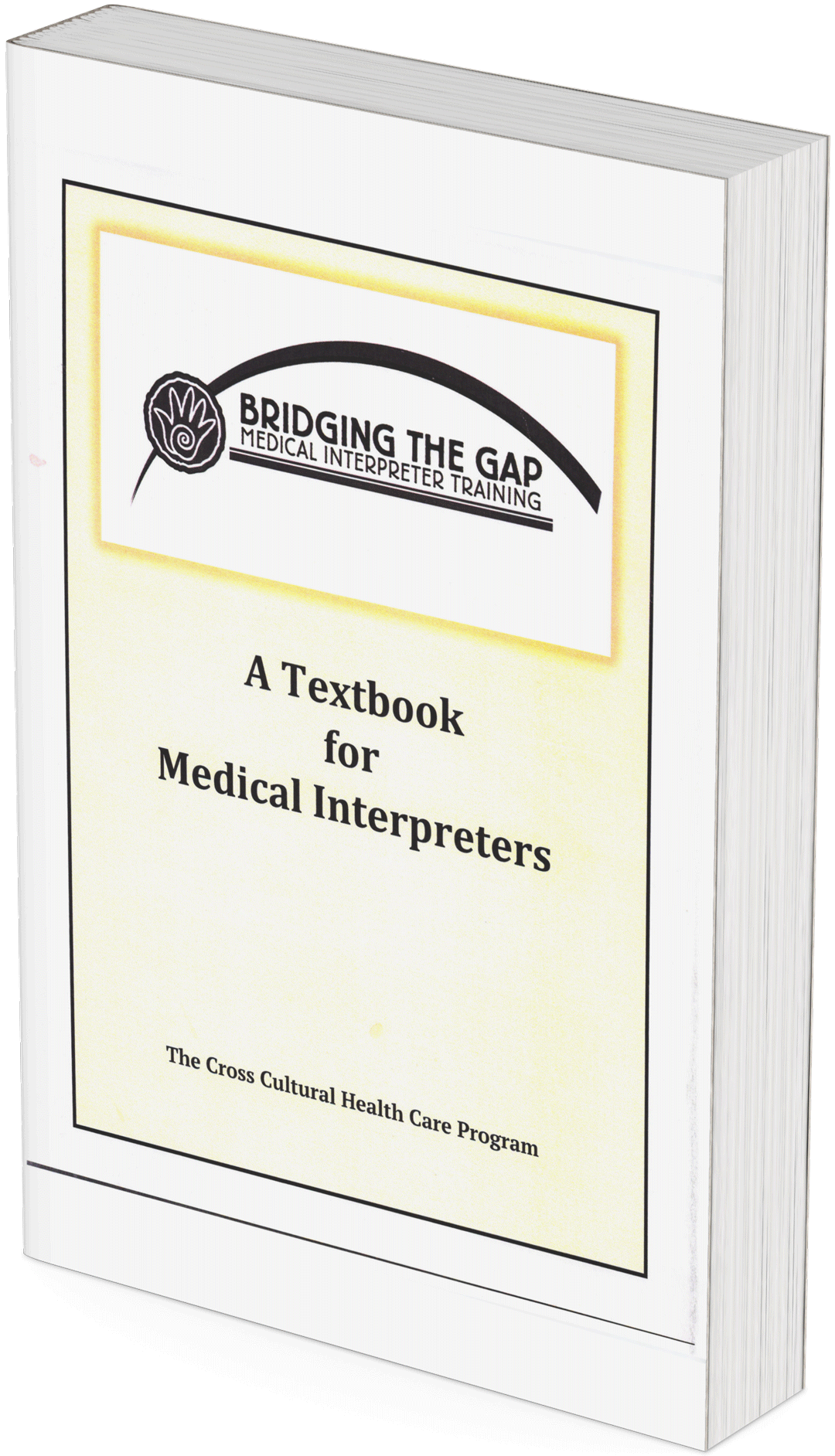
Fowzia’s praise for the teaching team was crystal clear: prepared, responsive, and human. She highlighted how instructors answered questions in real time, offered practical “what would you do if…” guidance, and taught students how to handle the emotional reality of medical environments (without crossing professional boundaries).
"Every time we asked questions… Maria or Mr. Sameh was jumping in and answering."
She also appreciated that the course wasn’t monotone but it was rather engaging, with quizzes, games, and activities that made terminology stick.
"I liked the quizzes… I liked the games… it wasn’t boring."
Fowzia mentioned materials that helped her keep learning after class, not just during it:
"The glossary… it gives you the English one and your target language."
This matters because medical interpreting is a practice profession: you don’t “finish” learning, you build a system for continuing education, reference tools, and habit.
For interpreters looking ahead to the national certification, it’s also worth knowing that certification pathways often include a minimum of 40 hours of medical/healthcare interpreter training as part of eligibility.
Fowzia is already interpreting in educational settings and is excited to expand into medical work while acknowledging that healthcare interpreting will feel different at first (logistics, parking, navigating large facilities, building time buffers, etc.).
That’s a realistic (and healthy) perspective. Confidence doesn’t mean pretending it’s easy, it means preparing anyway.
Her message: don’t be afraid, and choose a learning format that fits how you thrive.
"I would advise everybody to take the class. And to not to be afraid… it’s a really great opportunity."
If Fowzia’s story sparked something in you, here are a few reputable places to learn more about the profession and next steps:
Fowzia’s story is a reminder that bilingualism is a gift, but training turns it into a profession. If you’ve been interpreting for family, friends, schools, or your community for years, you’re not “starting from zero.” You’re ready to build structure, confidence, and credentials around what you already do naturally.
"I learn, and at the same time, I enjoy."